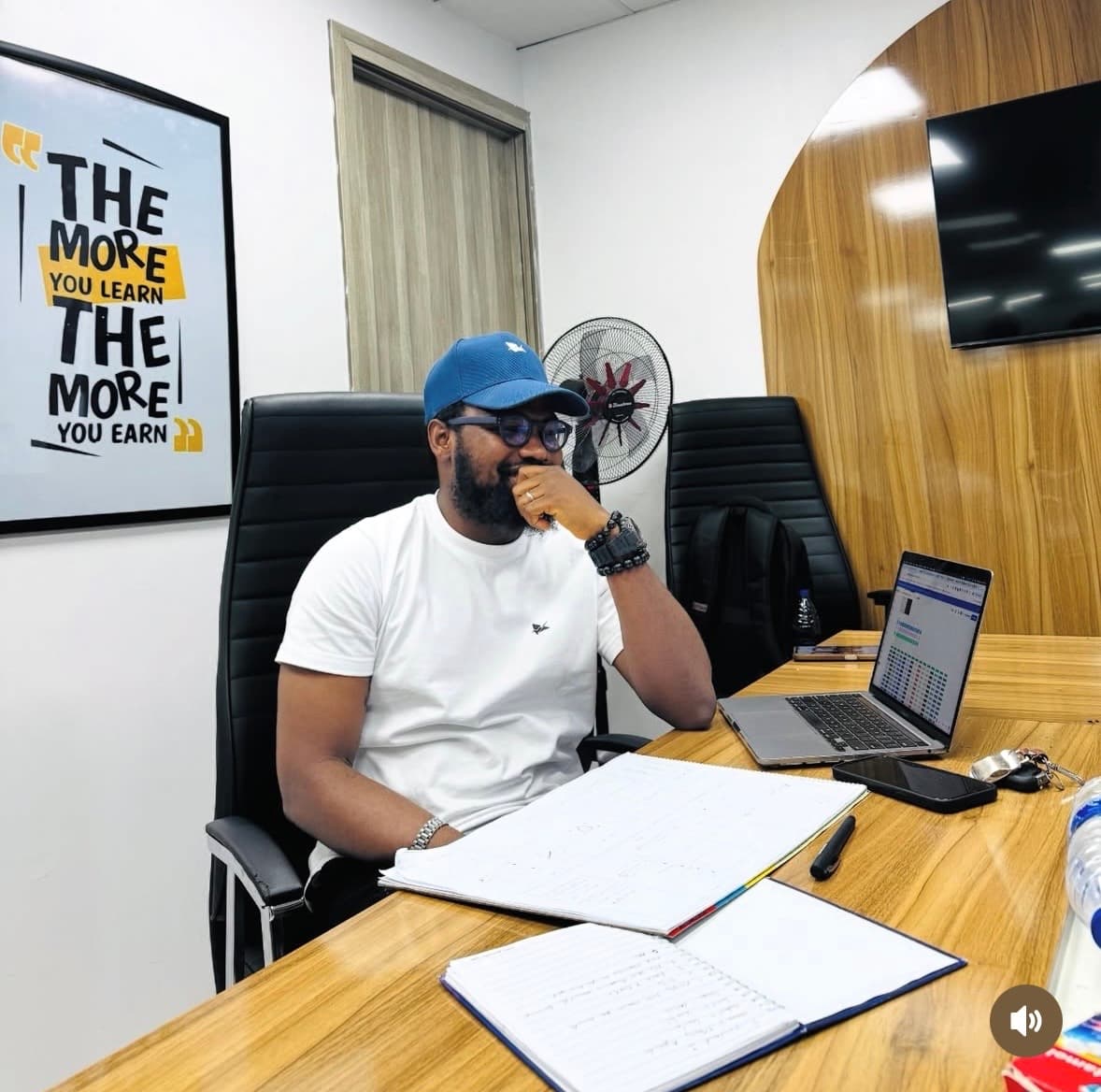
People like the version of my story that starts with ₦7,500 a month and ends with a company. That part is true. There is another part I used to keep quieter: a few years ago I came close to ending my own life. What still surprises me is that the Economic and Financial Crimes Commission, of all institutions, sits in the middle of both of those plotlines.
This is not a motivational speech. It is what actually happened.
A cybercafe, then graphic design, then software
In the early 2000s, when I was about eleven or twelve, my father took me to a cybercafe and asked them to teach me how computers worked. I tried. It did not really land. A lot of it felt like a language I could not hear yet. Around six years later I started learning graphic design, not because I had a grand plan, but because it appealed to me. I just liked it.
Software came later, out of necessity. In 2012 I got admission to study Business Administration at Kwara State Polytechnic. I am the first child. I had to find a way to bring money in. Someone in school told me to learn website and software development. With the help of computer science students, I started with HTML. During my industrial training I got a job with a company in Allen, Ikeja. That was where I properly learned web design. They trained us, then we started working for them.
₦7,500 a month, then the long climb
What was I earning at that point? ₦7,500. I laugh when I say it now, but that was the real starting figure. From there it went to ₦15,000, then ₦25,000, then ₦30,000. Around then I left. I went for my HND and started coming to Lagos every Friday to hustle for clients. Lagos was the centre of the work I was doing. I would leave Ilorin around 1pm and reach Lagos by 6pm, then work from my father's house. In that season I was earning around ₦100,000 to ₦200,000.
NYSC, silence, and a five-year deadline I should never have set
Then I went to serve in Plateau State and lost all my customers. Before NYSC I had been earning around a million. By the time I came back, people had moved on. I was not getting jobs. It felt like the end of the road. I became depressed, and I got close to taking my own life.
I decided to give myself five years of hustling as hard as I could. In those five years I would tell everybody about the work, push the brand everywhere I could, and if nothing had changed after that, I planned to end it. I do not say that lightly. I was the first of five children. Then I lost my mum. My father remarried and had two more children, so I became the first of seven. My father was not pressuring me. I was pressuring myself, the way a lot of Nigerian men do, with a private list of things we think we are supposed to have already handled.
"If I had killed myself, I for too vex."
Then the EFCC posted me as YoungNLegit
I put myself everywhere online, talking about the work. One day the EFCC posted me as YoungNLegit. I was the first person they posted that way. People still find that strange. How did the EFCC find a software developer?
They had posted a Yahoo boy they caught. I commented something like, make una dey post we sef wey legit na. The handler told me to check my DM. They asked for past projects, did background checks, and later posted me. That was the beginning of a new era. People who were looking for legit tech people found me.
The dark thoughts were in February 2019. The EFCC post happened on 28 October of the same year. Eight months. If I had not held on, I would have missed the thing that changed the trajectory of my life. I still say it the way I felt it: if I had killed myself, I for too vex.

What that endorsement actually did
It changed my rates. A lot. I capitalised on it, and people reached out, including Nigerians in the diaspora. The logic was simple: you when EFCC don praise, you no fit run with my money. I was grateful. I still do not collect jobs I cannot deliver. Trust is not a slogan when people are sending you money to build the thing their business depends on.
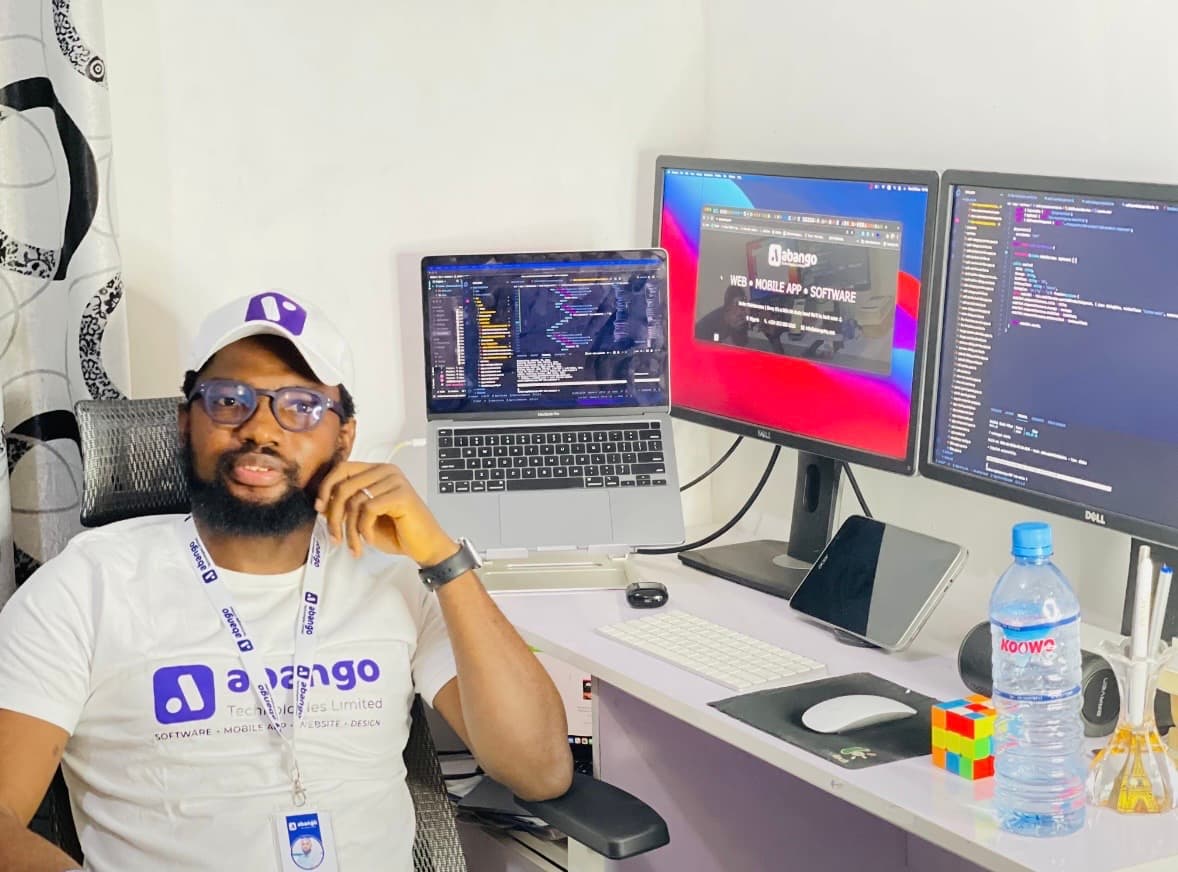
Technically, I added to the web work I started in Allen. I do project management. I also moved into mobile development with Flutter and Dart. Both web and mobile have proven lucrative. Abango Technologies is the company that grew out of all of that: software development and consultancy, a team of people, and work that pays properly. My average personal earning is over ₦3 million a month. That number still sounds unreal next to ₦7,500, but the distance between those two figures is not magic. It is years of remaining visible, remaining legit, and remaining available after it would have been easier to disappear.
What I tell people who want this path
I will not point you to one area of software and tell you that is where the money is. People like to skip the research and be handed a shortcut. There is nothing like making it the fastest in this field. Figure out what you actually like, pick one thing, and be consistent with learning it. You also have to know how to sell and how to negotiate. Skill is not enough. You need to know the people who need what you can do, and how to convince them. You can have a niche and still be able to sell other parts of the work, because people will reach out about things that are not your core focus.
Lastly: do not do fraud. Be legit, one hundred percent. There is nothing you cannot achieve or enjoy with earning legitimately. Even when I was down, people told me to go into fraud. Through the help of my dad and other people around me, I stayed on the right side of that line. Glory to God, it worked out. The EFCC did not set out to save my life. They posted a young man who asked to be seen as legit. That was enough.